

Yongkang Cast Iron: A Craft with Centuries of Roots
Yongkang has a long history of cast-iron craftsmanship, dating back to the Southern Song Dynasty. Known for being sturdy, practical, and carefully finished, Yongkang cast iron is more than cookware—it’s a local craft system shaped by daily life, materials discipline, and a rigorous process that has been passed down across generations.
-
A Living Heritage, Not a Museum Piece
Heritage survives only when it continues to be used. For COOKERKING, “intangible cultural heritage” isn’t a label—it’s a set of skills and standards practiced every day. Our founder, Wang Linxing, began learning the trade in the 1960s by traveling with his father to repair pots across towns. That experience represents what this craft has always been: made for real kitchens, built through real work.
-
-

What We Preserve
Yongkang cast iron is defined by discipline. The craft isn’t one single step—it’s a complete system.
Process Discipline
From mold-making to casting and finishing, every stage is structured and precise. That rigor is what gives the craft its reliability—and its distinct local character.

Material Standards
The tradition values careful material selection and consistency. Good cast iron starts long before the pour—it starts with standards that don’t change when the market does.
Finishing & Detail
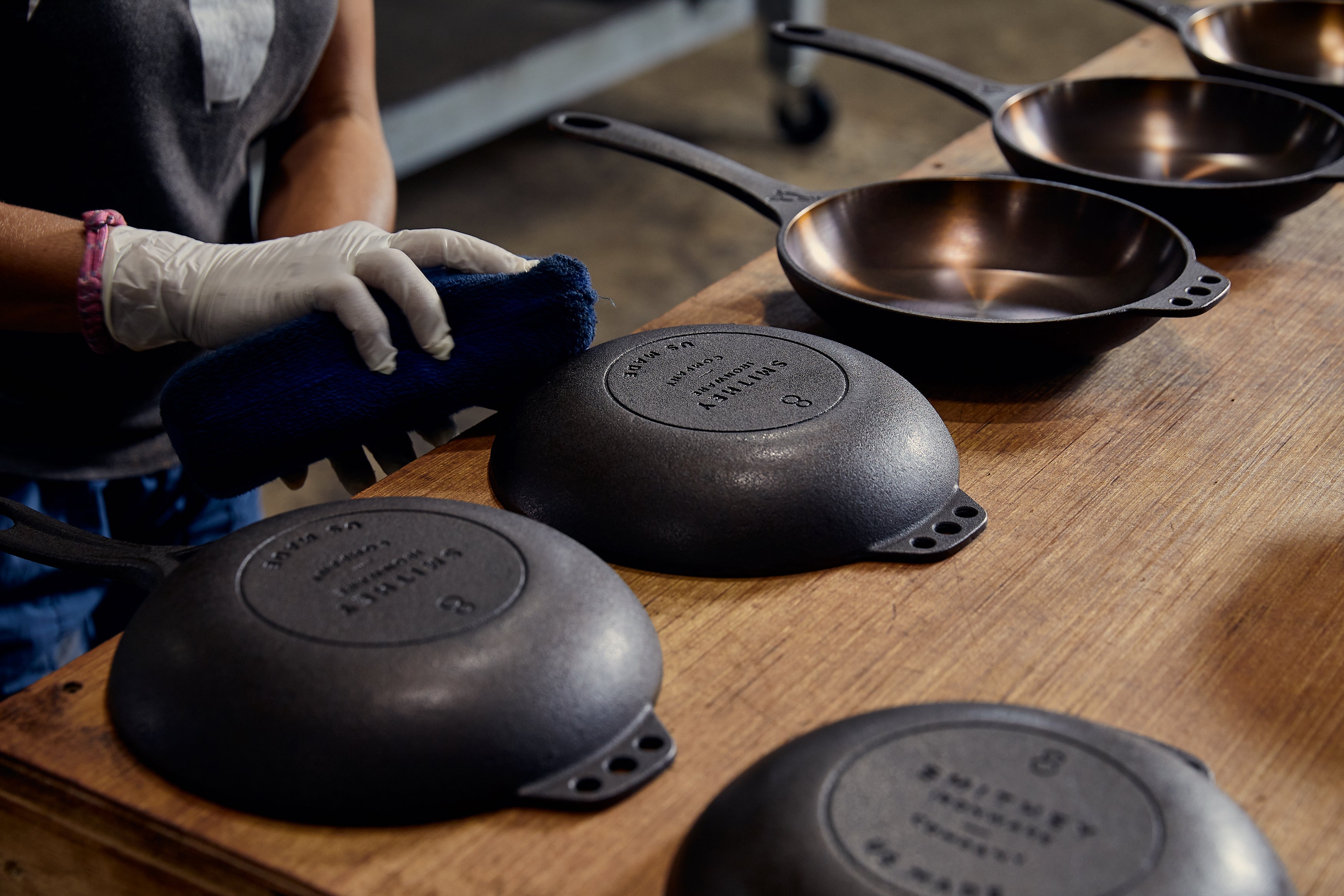
After casting, the work continues: cleaning, refining, and surface finishing. These details are where craftsmanship becomes something you can see—and feel.

FAQs
What does “productive protection” mean?
It means protecting heritage through real production—keeping the craft alive by making, improving, and training, not only exhibiting.
Is this craft still practiced today?
Yes. The tradition is preserved through daily work: disciplined steps, trained makers, and standards that keep the method consistent.
What exactly is being “passed down”?
A complete craft system—process discipline, material standards, and finishing methods developed in Yongkang over generations.
How do you balance heritage and modern manufacturing?
By upgrading equipment and refining processes without removing the core discipline of the craft. Modern tools support consistency; the craft defines the method.
Why should this matter to customers?
Because a living craft is built on standards and practice. It leads to cookware that feels dependable, consistent, and made with care.